How to create a calming child's room ideal for sleep
- Aug 23, 2022
- 3 min read
Updated: Oct 20, 2022
I will be the first to say that my children's rooms are utter disasters, but now that things are improving on the Covid front, I'm feeling motivated to redecorate, and declutter the littles' bedrooms. If you are getting ready to decorate a child's bedroom, there are a few things to consider to create a calming space for your little one.
Considering the fast-paced world we live in, where children are easily overstimulated, a child' bedroom should be a space where they love spending time and where they can easily relax and fall asleep. It should also be a space that allows them to get started on the right foot in the morning.
If you aren't sure where to start, here a some tips on how to style a space that is soothing, calming and will make bedtime a breeze.
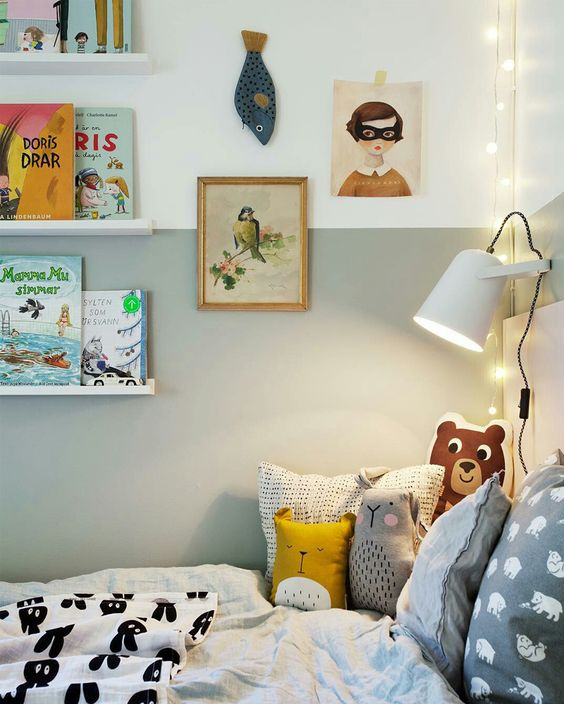
1. Consider color psychology. There's a reason nurseries have long been designed in pale pink, yellow and blue—they are soothing shades. So, while you might want to grant your child's wish to have a neon bedroom, bright colors are not going to be good choices for a calming kid's room. A better choice is to create a base of soft neutrals like grays and whites. Beige is back in a major way so it shouldn't be dismissed. Include other shades in moderation to create slight contrast. Also avoid high-contrast palettes and busy patterns on walls or bedding. This could make your child feel energized instead of relaxed. (The photo below does have a pattern, but I couldn't resist!)

2. Create a cozy vibe. Kids love to cuddle, so fill your child's room with items that can be used to self-soothe, like a large stuffed animal or lounge chair to lounge on. Short on space? A soft weighted blanket can be made to feel like a hug. Children also love seeing photos of their loved ones so consider adding family photos to surround your child and help them feel relaxed and safe.

3. Limit stimulation. This can be a tough one. I know from much experience. A crowded and messy child's bedroom is highly disruptive to sleep patterns. Keep the room clutter-free by limiting the amount of toys that are kept in the room. If there isn't another storage area, keep them in covered boxes or baskets on shelves that can easily be tucked away. Chaos causes sensory overload and can lead to feelings of anxiety. Plus, this is a big one, but try to keep the bedroom as a screen-free zone. It will eliminate blue light emissions, which over-stimulate the brain.

4. Feng Shui furniture. A child’s bedroom includes a space for sleep (of course) but may also include a zone for play and for learning. Each activity should be given its own distinct zone but the room's primary functions of relaxation and sleeping should be given the most attention. Placement of beds, toys, storage, desk, etc. varies but the positioning of these stations, finishes, colours, scents and lighting will determine how the room is perceived and used.

5. Think about lighting. Natural sunlight is important during the day to uplift mood, yet lighting should be subdued at other times to encourage quiet time and rest. It's ideal to have an overhead light that is bright, but not fluorescent. Also, include a lamp that provides softer lighting for the evening. Finally, window treatment should be room darkening, as much as possible,


Comments